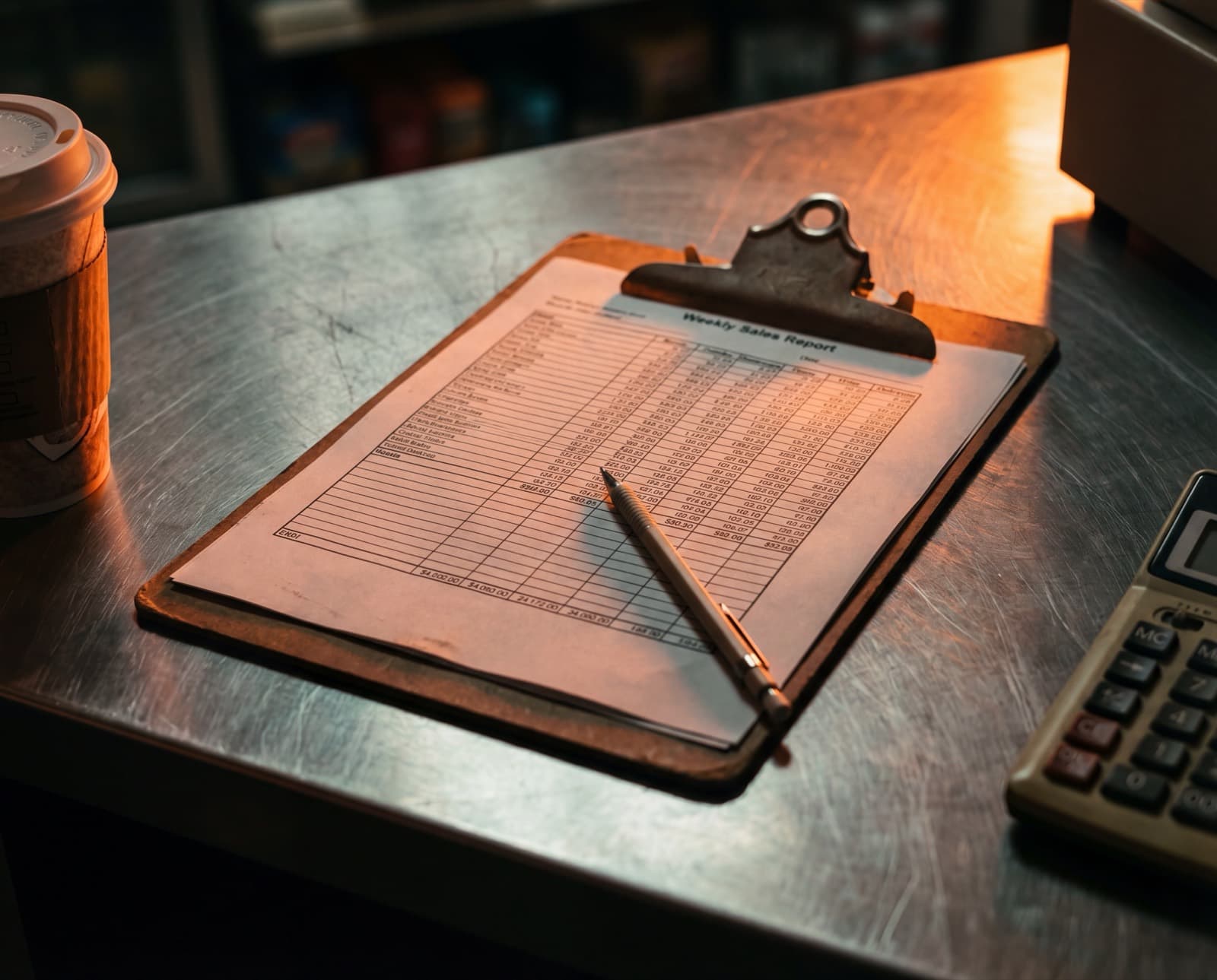
Industry analysis
The quiet squeeze on independent c-stores
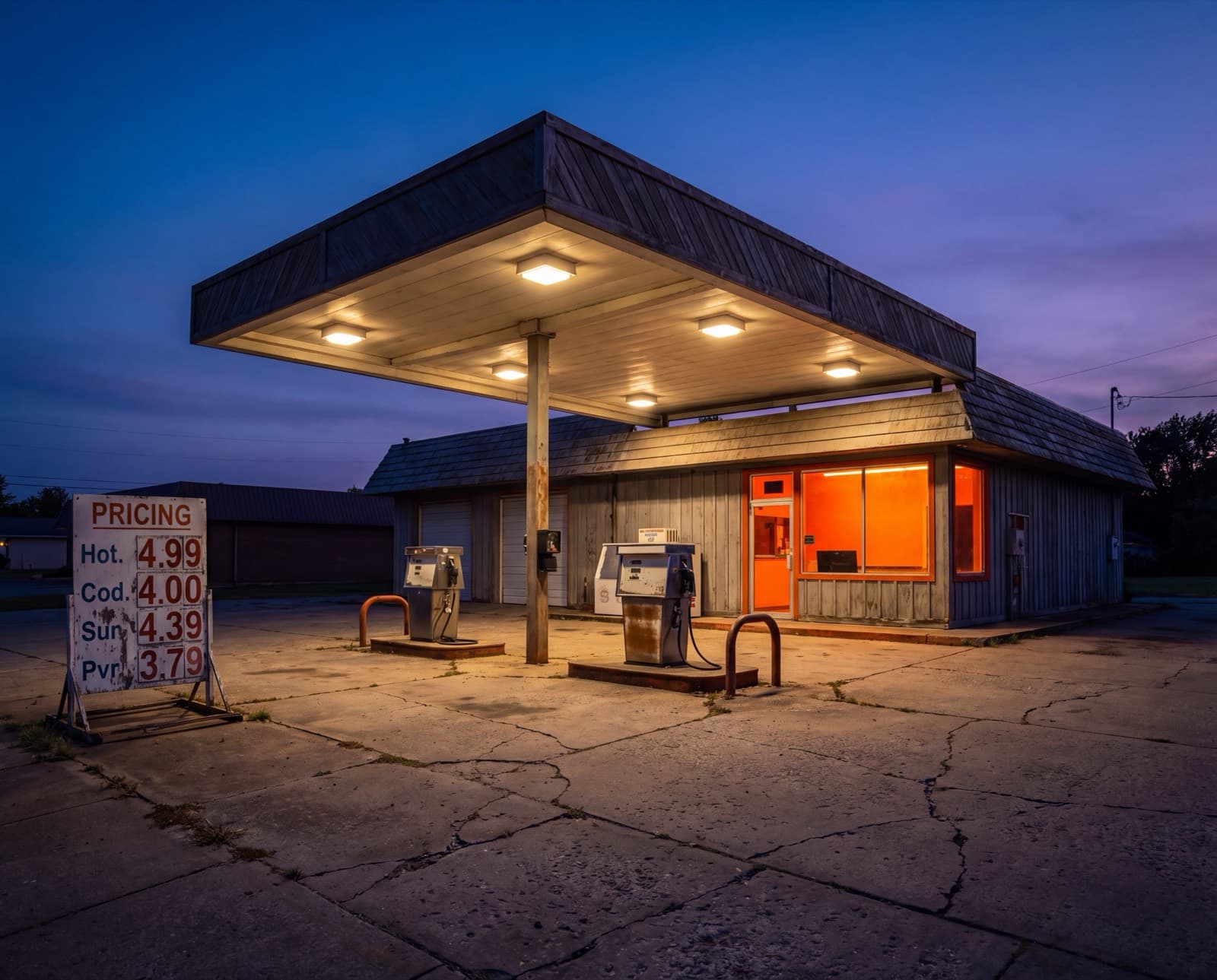
When people talk about the pressure on independent c-stores, the story is usually about 7-Eleven or Casey's opening down the street. That's not wrong, but it's not the real story either. The real story is quieter, and it's a slower squeeze on four sides at once.
Side one: the fuel margin isn't where it used to be
For a long time, independent stations ran a predictable pattern — thin margin on fuel, fat margin on everything inside. The fuel was the hook, the inside was the business. That pattern is still true, but the math has moved.
Credit card fees have climbed for a decade. On a $3.79 gallon of gas at 2.5% interchange, you're paying about 9.5 cents to the card networks before you've paid for the gallon itself. That's a bigger number than most independents' entire operating margin on fuel. The chains negotiate processing rates independents can't touch — sometimes under 2%, sometimes under 1.5% — and that gap alone is often the difference between a healthy fuel business and a break-even one.
Side two: labor has re-priced permanently
Between 2020 and 2025, hourly wages for c-store employees rose meaningfully in every market that mattered. That's good — these are people doing hard jobs on their feet for eight-hour shifts. But the re-pricing is permanent, and it didn't come with a re-pricing of the SKUs.
A chain store absorbs that cost differently than an independent does. The chain has labor scheduling software that matches headcount to traffic within 15-minute windows. The independent has a paper schedule pinned to the corkboard. The chain is running 12% labor-to-sales; the independent is running 16% or 17% and doesn't know it because nobody's measuring it weekly.
Side three: the tech gap
This is the one I think about the most, because it's the one that's actually fixable.
A mid-sized chain has a labor system, an inventory system, a fuel pricing system, a back-office accounting system, a food-service system. Most of it is bad software — clunky, expensive, built in 2008 — but it exists, and it's integrated enough that the general manager doesn't have to retype numbers from one screen into another.
The independent operator has none of this. What's marketed to the independent is either enterprise software priced for a chain (and configured for nothing they actually do) or consumer apps that fall over the moment a real store touches them. The tools in the middle don't exist. Or they didn't, until recently.
This is the gap that's doing the most damage, because it compounds. The chain's GM spends her evening looking at a dashboard and making three small decisions. The independent owner spends his evening typing yesterday's numbers into a spreadsheet and has no attention left for the decisions. Five years of that gap and the outcomes aren't close.
Side four: the generational handoff
A lot of independent c-stores are owned by operators in their late 50s and 60s who've been running the store since the 90s. The businesses are profitable. The owners are tired. The kids don't want to run the store. And the private equity roll-ups are knocking — buying small portfolios at reasonable multiples and rolling them into regional chains.
Every independent that sells into a roll-up is one less independent. That's not a judgment — selling is often the right move for the operator. But the structural effect is that independents are disappearing faster than they're being created, and the long-run equilibrium is a market with fewer independents and more chains.
What's actually working
It's not all bleak. The independents I've met who are thriving have a few things in common:
They measure weekly, not monthly. Monthly P&L is too slow. The ones running tight stores have a five-minute Monday pulse check — a handful of numbers, same ones every week, trend lines in a notebook. Most of their competitive advantage comes from this alone.
They've automated the back office even with duct tape. Google Sheets, a cheap scanner, a WhatsApp group for the team. It isn't pretty, but it replaces 30 hours a month of retyping. Every hour an operator spends on data entry is an hour they aren't spending on the things only they can do — negotiating with vendors, catching shrink, hiring well.
They know their card fees. The operators who are actually winning on margin have negotiated processing multiple times, switched providers at least once, and know what they should be paying. The operators who are losing don't know their blended rate.
They hire one good manager and pay them well. A great store manager at an independent store is worth 1.5x what most owners pay. The owners who figured this out stopped working 80-hour weeks ten years ago.
The point
The squeeze on independents isn't one big threat. It's four slow ones at the same time. The operators who notice them early and build around them are doing fine. The ones who are still running the business the way they ran it in 2015 are being quietly eroded.
The good news is that at least one of those four — the tech gap — is finally closable. The tools exist now. They didn't ten years ago. If independent operators get better software, the other three pressures get a lot easier to fight.
We're working on it.